Apple Real Estate • Frisco Relocation Guide • 2026
Moving to Frisco, TX in 2026: What Living Here Actually Feels Like
The quick takeaway: Frisco isn’t booming recklessly — it’s growing deliberately. In 2026, that coordination between schools, infrastructure, and neighborhoods is what makes it one of North Texas’ most durable suburban markets.
Frisco has become one of North Texas’s most recognizable suburban markets — not because it’s loud, but because it’s organized.
And in 2026, organization matters.
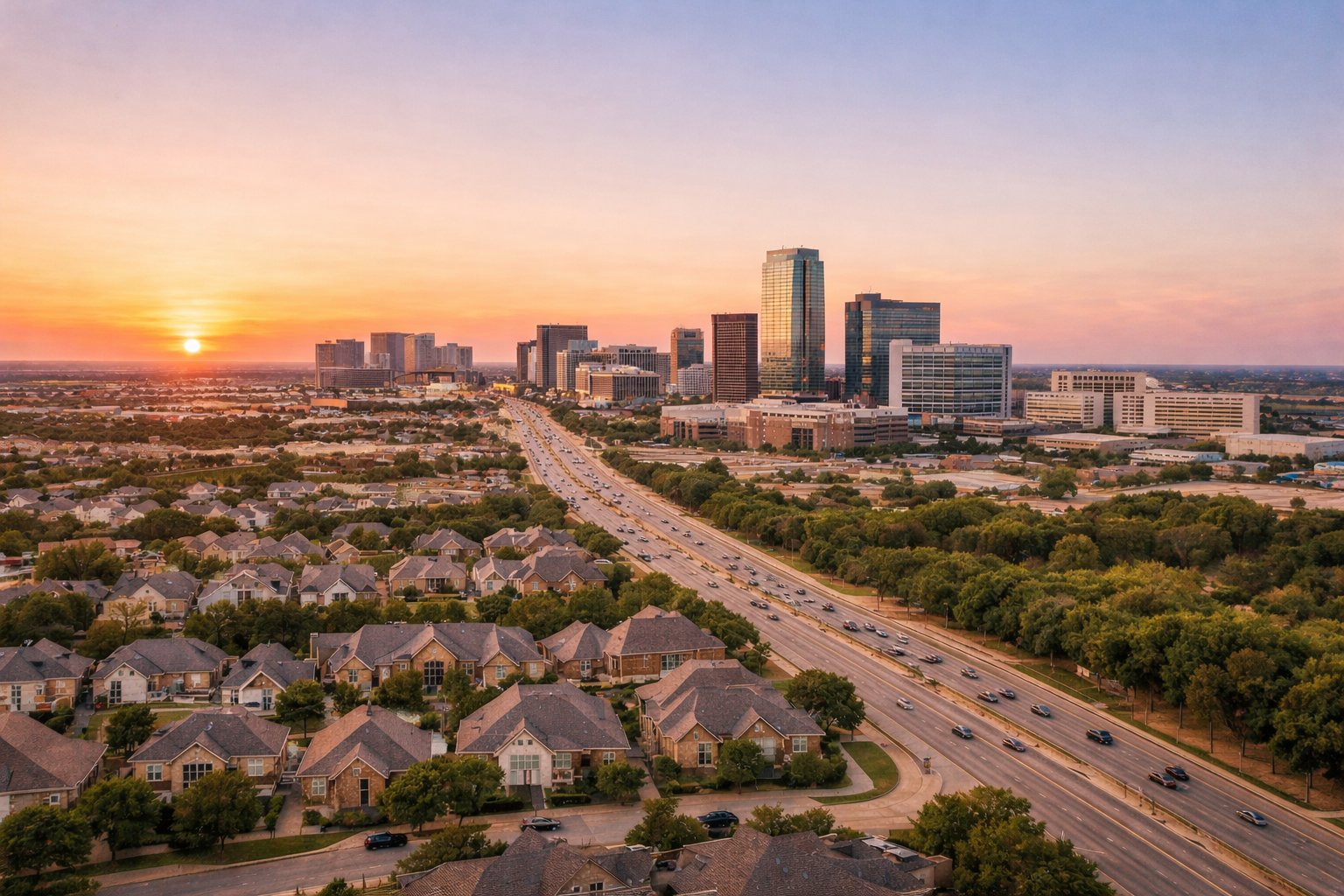
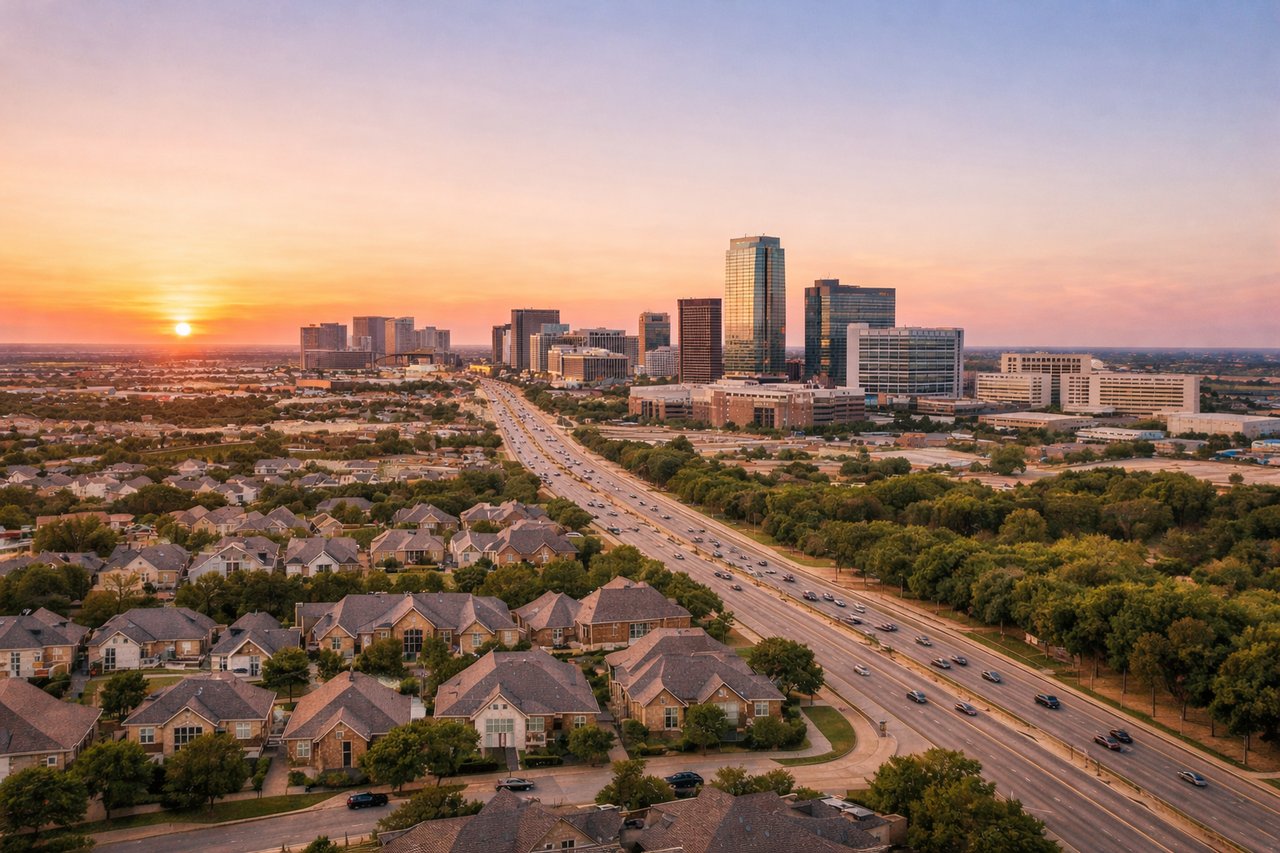
Frisco’s reputation is built on structure — planned communities, coordinated development, and long-term infrastructure alignment.
For relocation families, move-up buyers, and professionals targeting the North Dallas corridor, Frisco offers something increasingly valuable: growth that feels intentional.
Where Frisco Sits — and Why That Matters
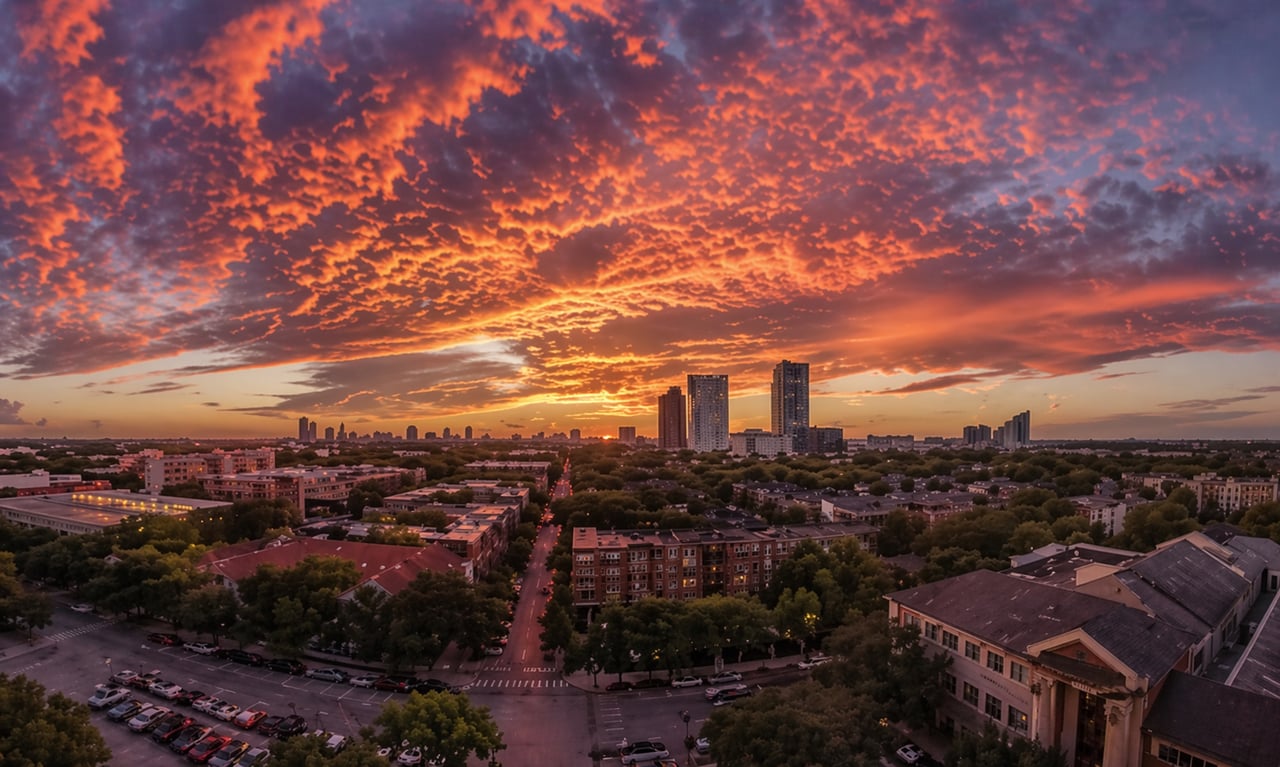
Frisco runs along the Dallas North Tollway just north of Plano, giving residents access to major employment hubs while preserving a distinctly suburban rhythm.
You’re close to Legacy West, corporate headquarters, and medical campuses — but you come home to neighborhoods that feel predictable and residential.
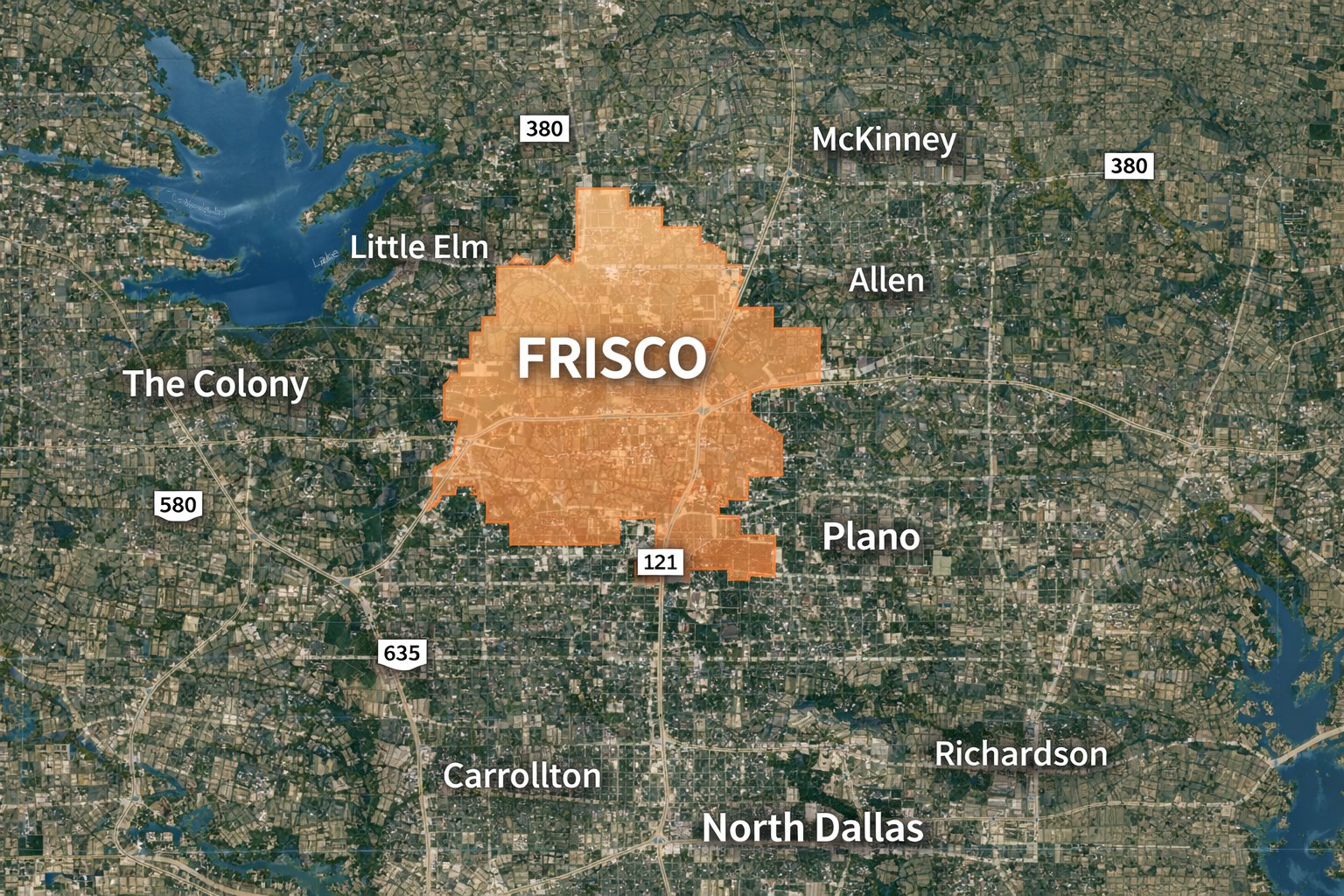
Connectivity supports flexibility — especially for hybrid work schedules across Plano, Frisco, and North Dallas.
The 2026 Real Estate Environment
The pace in Frisco has matured. Buyers today have room to evaluate and negotiate without panic.
For buyers entering the market for the first time, we recently broke down how affordability and leverage are shifting in our First-Time Buyers in 2026 guide for North Dallas.
- Inspections without rushing
- Clear comparisons between resale and new construction
- Selective builder incentives
- Strategic movement instead of reactive bidding
This is not a discount market. It’s a clarity market.
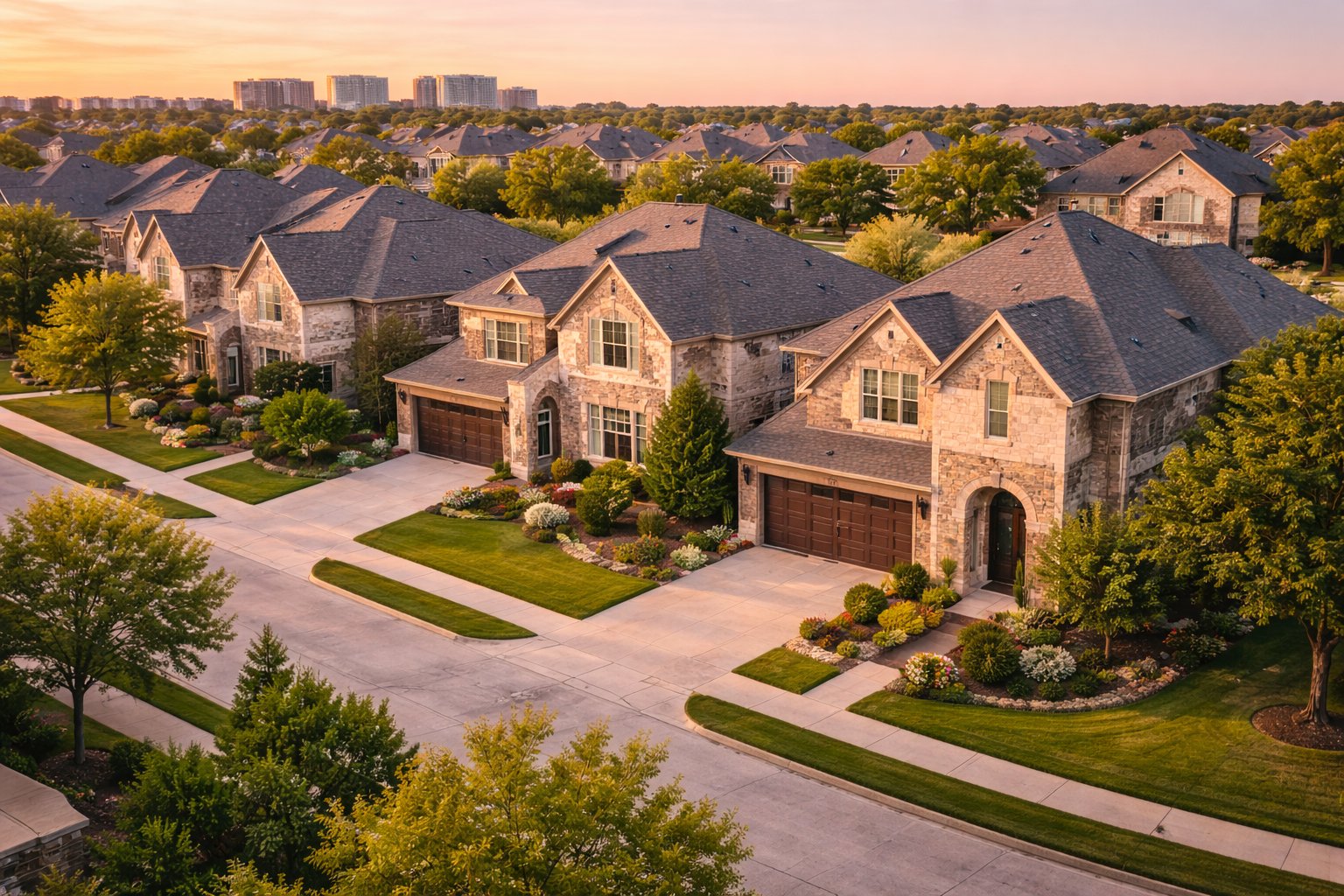
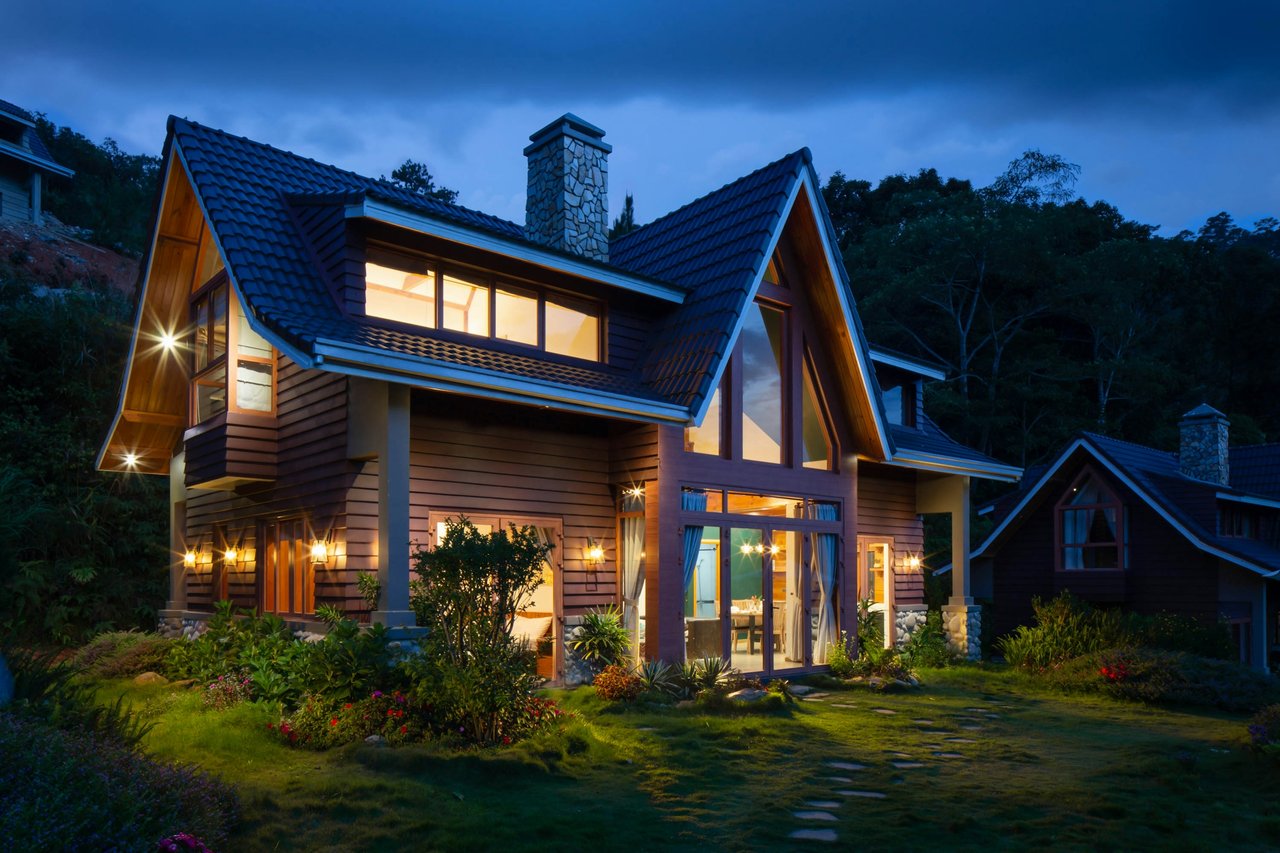
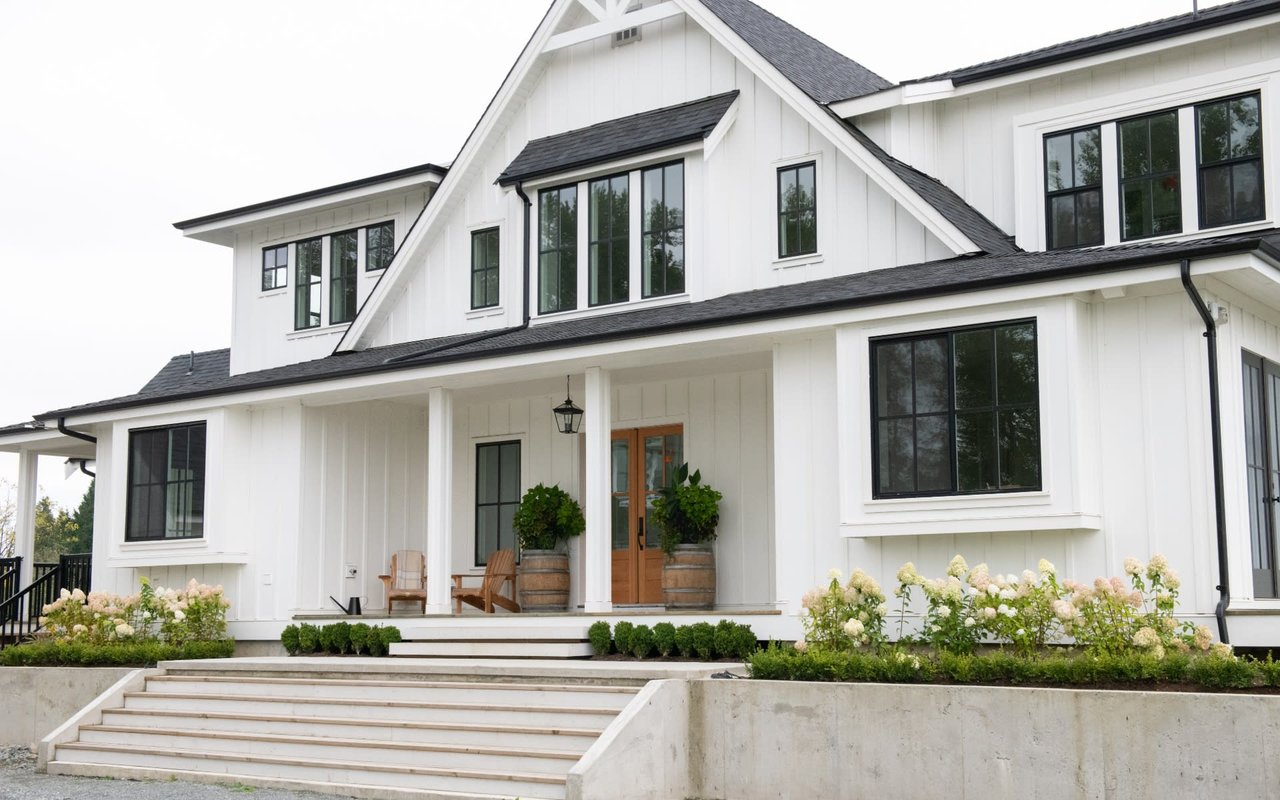
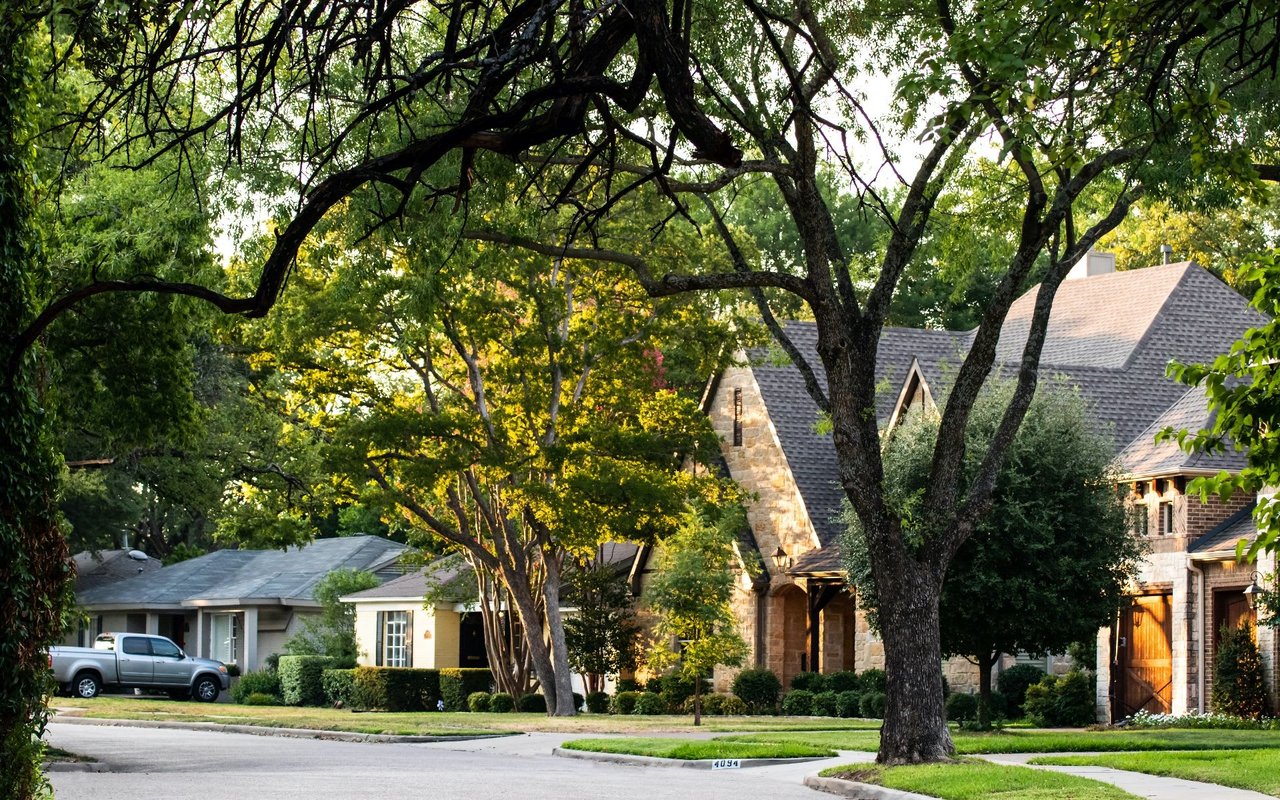
Typical suburban architecture found throughout Frisco communities and HOA consistency are part of Frisco’s long-term positioning.
Well-priced homes move efficiently. Overreaches sit longer. Prepared buyers benefit.
Frisco Home Prices in 2026
Pricing spans multiple tiers, largely influenced by school zoning and neighborhood profile.
- Entry-level single-family homes often begin in the mid-$400s
- Move-up homes typically range $600s–$900s
- Luxury properties frequently exceed $1M
- Select townhomes offer entry points in the mid-$300s+
But in Frisco, value isn’t just list price — it’s zoning, tax exposure, HOA standards, and resale durability.
Frisco ISD: A Relocation Anchor
Frisco ISD is one of the city’s strongest relocation drivers. Its smaller high school model and campus distribution appeal to many incoming families.
Zoning is nuanced — two nearby homes can feed different campuses. Alignment should be confirmed early.
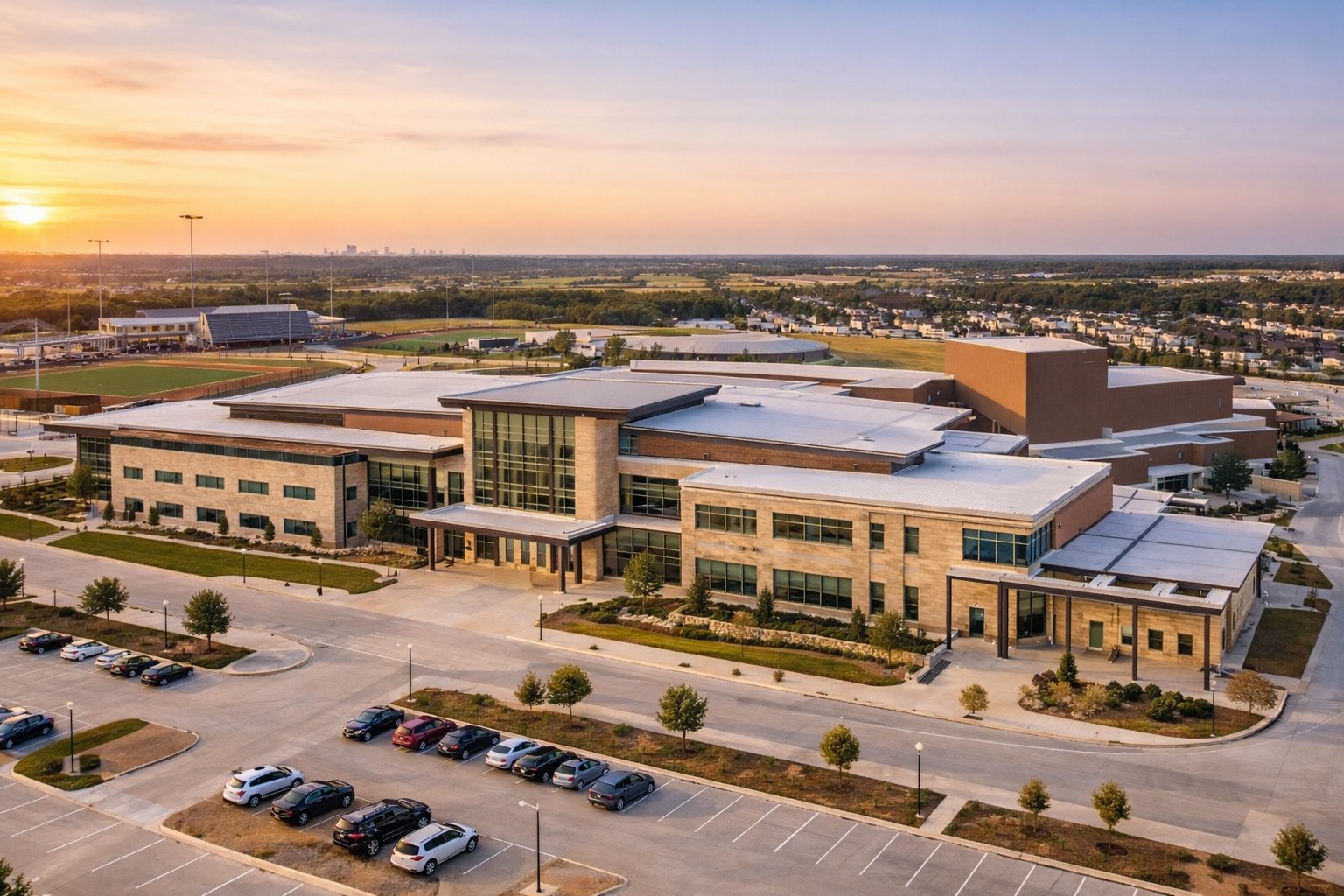
School alignment influences both lifestyle and long-term resale performance.
Our Apple approach treats school zoning like due diligence — not an afterthought.
Lifestyle: What Living in Frisco Feels Like
Frisco runs on a structured suburban rhythm: school routes, youth sports, weekend parks, and evenings near The Star.
It’s not urban density. It’s not historic charm. It’s planned suburban stability.

Community dining and retail clusters help keep everyday life simple and repeatable.
Who Frisco Is Ideal For
- Relocation families prioritizing schools
- Professionals seeking structured suburban living
- Move-up buyers planning 5+ years
- Buyers favoring stability over volatility
The Long-Term Outlook
Frisco’s strength isn’t flash — it’s durability.
Preparation beats speed.
Corporate growth, continued infrastructure, and school planning support steady demand — not chaos.
The Bottom Line
Moving to Frisco isn’t about impulse. It’s about alignment.
Budget comfort. School zoning. Tax structure. New vs resale. Timeline.
When those pieces align, the purchase becomes clean — and repeatable.
Considering a move to Frisco? Start with a 10-minute relocation strategy call.
Want a structured relocation plan? Send your timeline, school priorities, and price range — we’ll map it clearly.